Why the feedback fork happens
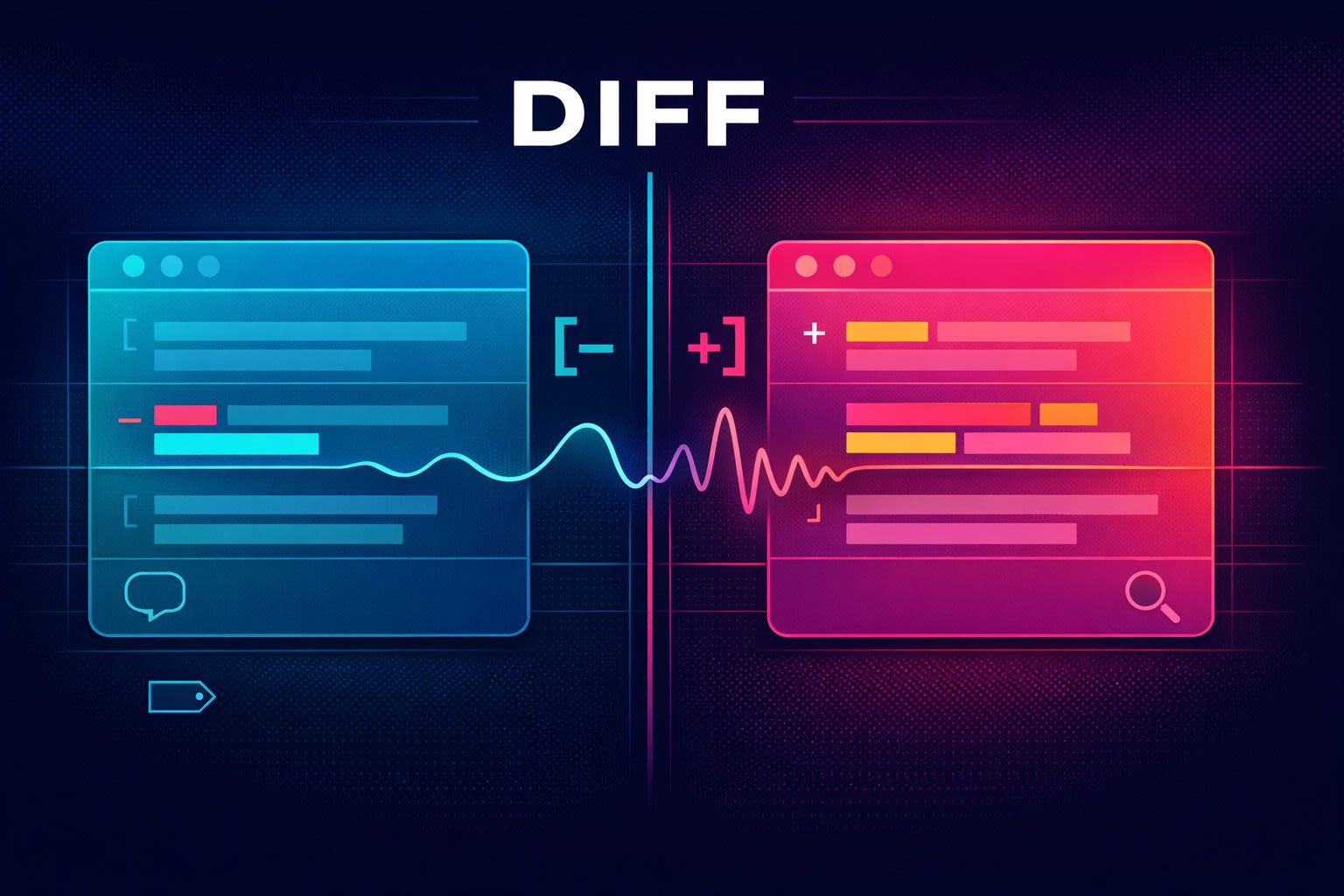
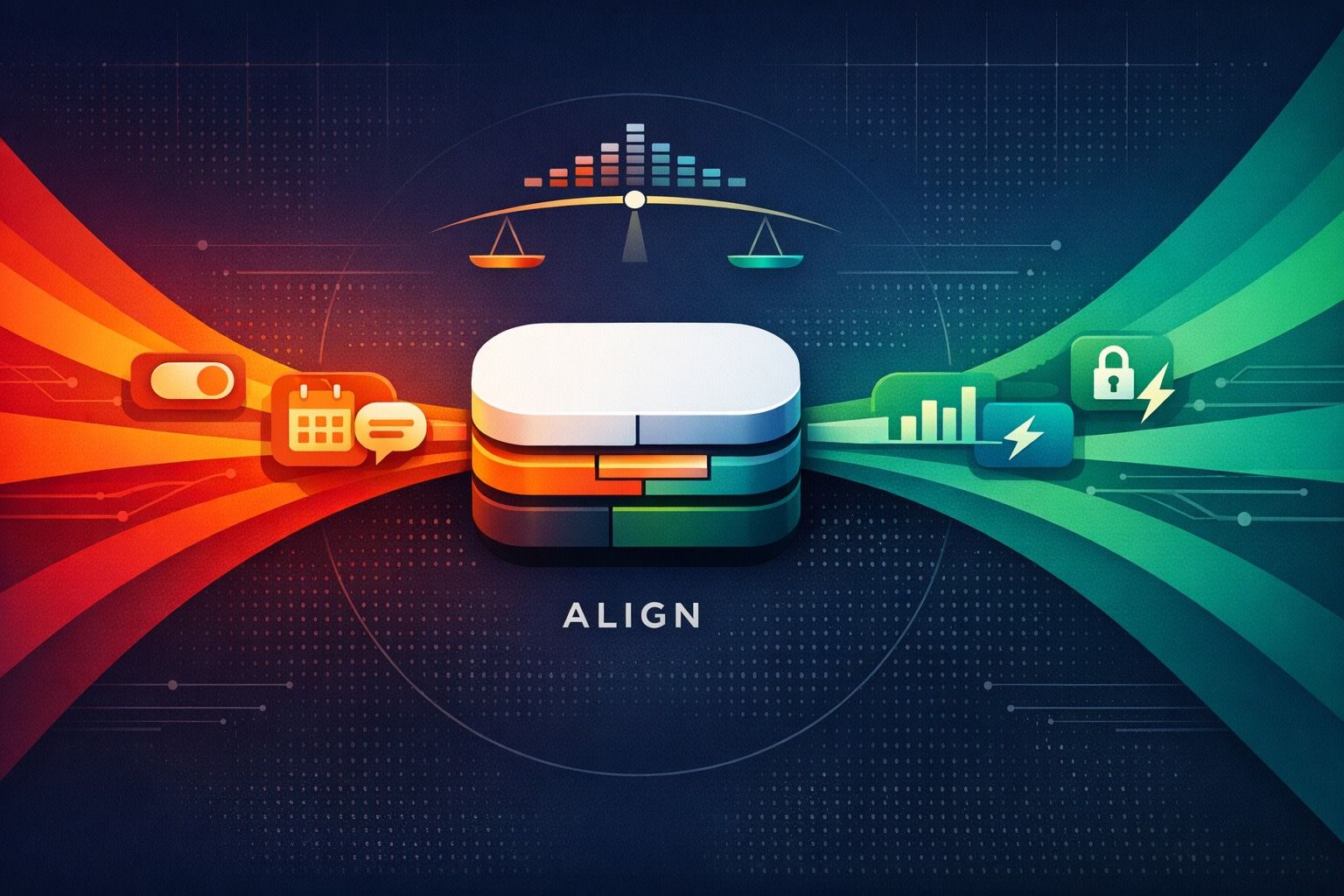
The “feedback fork” is what it sounds like: your feedback stream splits into two strong, conflicting directions. One persona wants the product to become faster and simpler. Another persona wants it to become deeper and more configurable. Both groups are right in their own context. If you chase both literally, you end up building two products inside one UI—two mental models, two onboarding paths, two sets of defaults, and a roadmap that never converges.
This is common in B2B SaaS when you serve teams at different maturity levels (startup vs enterprise), different functions (support vs product vs finance), or different workflows (high-volume operators vs occasional admins). It also shows up when your product’s value depends on “one truth,” but your users disagree on what that truth should look like.
Diagnose whether it’s a real fork or just noisy feedback
1) Separate “preference” from “constraint”
A surprising amount of conflict is just preference phrased as necessity. “We need an advanced mode” might actually mean “our workflow has edge cases.” “We need a simpler UI” might mean “new users are failing activation.”
Ask: what breaks if we don’t do this? If the answer is “it’s annoying,” that’s a preference. If the answer is “we can’t complete the workflow,” that’s a constraint.
2) Identify which job is being hired
Conflicting requests often come from two different jobs-to-be-done. Example: one persona is hiring your product to execute a repeatable daily process. Another is hiring it to design and govern that process. Execution wants speed. Governance wants controls.
If you treat both as “feature requests,” you’ll build a messy compromise. If you treat them as different jobs, you can design a single product with clear layers.
3) Check for false equivalence in demand
Raw request counts are misleading. Ten small customers can outvote one large customer’s operational reality, or vice versa. You need segmentation: which persona, which plan, which industry, which revenue, and which usage pattern is behind the request.
This is where a feedback platform helps. In canny.io, you can centralize requests, deduplicate them, and look at demand by customer segment and revenue impact rather than treating every vote as equal.
Reconciliation patterns that avoid “two products”
Pattern A: One workflow, two entry points
When personas disagree about complexity, often they’re disagreeing about the entry point, not the underlying capability.
- Operator entry point: optimized for speed, defaults, and minimal decisions.
- Admin entry point: optimized for configuration, policy, and exceptions.
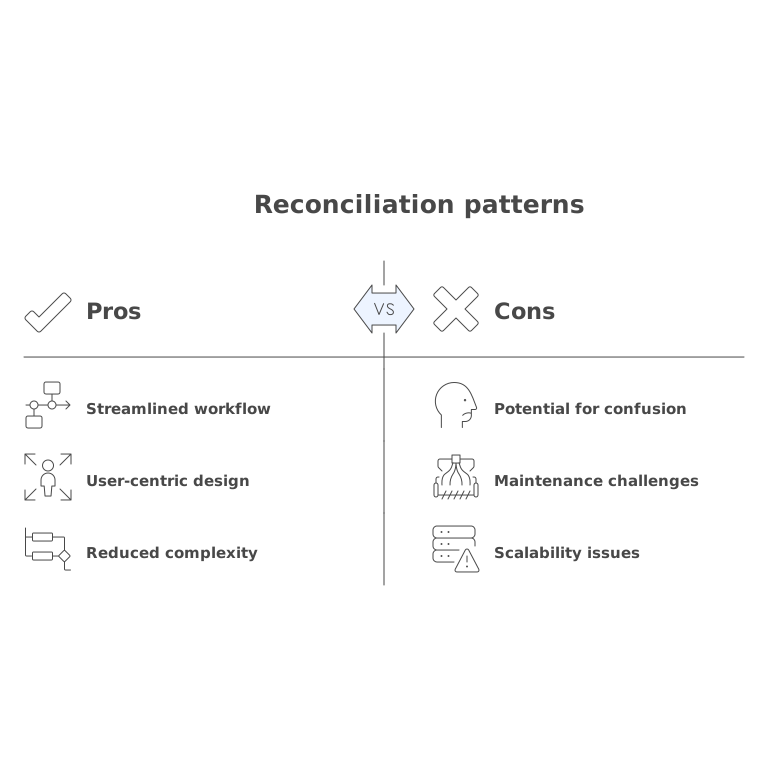
The key is that both entry points still run the same underlying workflow and data model. You’re not forking the product; you’re forking the surface area.
Pattern B: Progressive disclosure with “earned complexity”
Progressive disclosure is not hiding features. It’s making advanced options available at the moment they’re needed, after the user has context. “Earned complexity” means users unlock depth through usage, not through a separate product.
Practical moves:
- Start with strong defaults that satisfy most cases.
- Expose advanced settings only after the default path is successfully completed.
- Move edge-case controls to a clearly labeled advanced section rather than mixing them into the primary flow.
This resolves the common fork of “make it simpler” vs “make it more powerful” without shipping two separate experiences.
Pattern C: Opinionated core with extension points
If you support multiple personas, your core needs to be opinionated. Otherwise, every persona tries to turn your defaults into their preferred workflow. The solution is to keep the core crisp and add extension points where variance is legitimate.
Extension points can be:
- Integrations (push/pull data into the systems a persona already lives in)
- Templates and presets (persona-specific starting points that still share the same foundation)
- Rules/automation that sit on top of the same objects
For feedback management specifically, you’ll see this when teams want one consistent backlog, but different departments want different intake and tagging behaviors. A single core backlog plus configurable intake rules is usually better than separate “support backlog” and “product backlog.”
Pattern D: Persona-specific defaults, not persona-specific features
Features create permanent surface area. Defaults shape first-run behavior without multiplying complexity. If your fork is driven by “how it should behave out of the box,” treat the fix as defaults.
Examples:
- Default views and saved filters per persona
- Default notification settings
- Default scoring weights (editable, but not mandatory to set up)
This is especially effective when requests conflict around prioritization methodology, labeling, or reporting formats.
Use a single decision frame to evaluate both sides
To reconcile conflicting requests, you need a shared decision frame that both personas can respect. Otherwise you’re just “picking winners.” A practical frame:
- Outcome: What measurable outcome improves (activation, retention, time-to-value, expansion)?
- Blast radius: Who does this change affect across personas?
- Reversibility: Can we ship it behind a setting or staged rollout?
- Model integrity: Does it preserve one data model and one mental model?
“Model integrity” is the anti-fork metric. If a request requires different objects, different terminology, or parallel workflows, it’s a fork risk even if it sounds small.
Turn “conflict” into structured experiments
Run a prototype test focused on decision time
When one persona wants more options and another wants fewer, the deciding variable is often decision time. Prototype both approaches and measure how long it takes users to complete the key action, plus how confident they feel afterward. The winning approach is usually: default path is fast, advanced path exists but doesn’t interrupt the default.
Use staged rollouts and segmentation in feedback analysis
Ship changes to the segment that benefits most first. This reduces risk and creates clearer signals. If your feedback pipeline is fragmented across tools and channels, this step becomes guesswork. Centralizing requests and mapping them to segments is what makes staged rollout decisions defensible.
If your team struggles with turning pings into a coherent backlog, tightening the intake layer matters as much as the feature itself. A useful companion process is an issue intake contract that standardizes how requests enter prioritization, so your “fork” is diagnosed with consistent inputs rather than inconsistent anecdotes. You can see a concrete approach in this issue intake contract for a prioritized backlog.
Communication tactics that keep both personas onside
Explain the trade-off, not the decision
When you pick one side, the other persona assumes you don’t understand them. Instead, describe the trade-off you’re optimizing for: speed of execution vs governance, discoverability vs control, standardization vs customization. Then show how the chosen design preserves a path for the other need (usually via progressive disclosure, entry points, or extension points).
Close the loop with persona-aware release notes
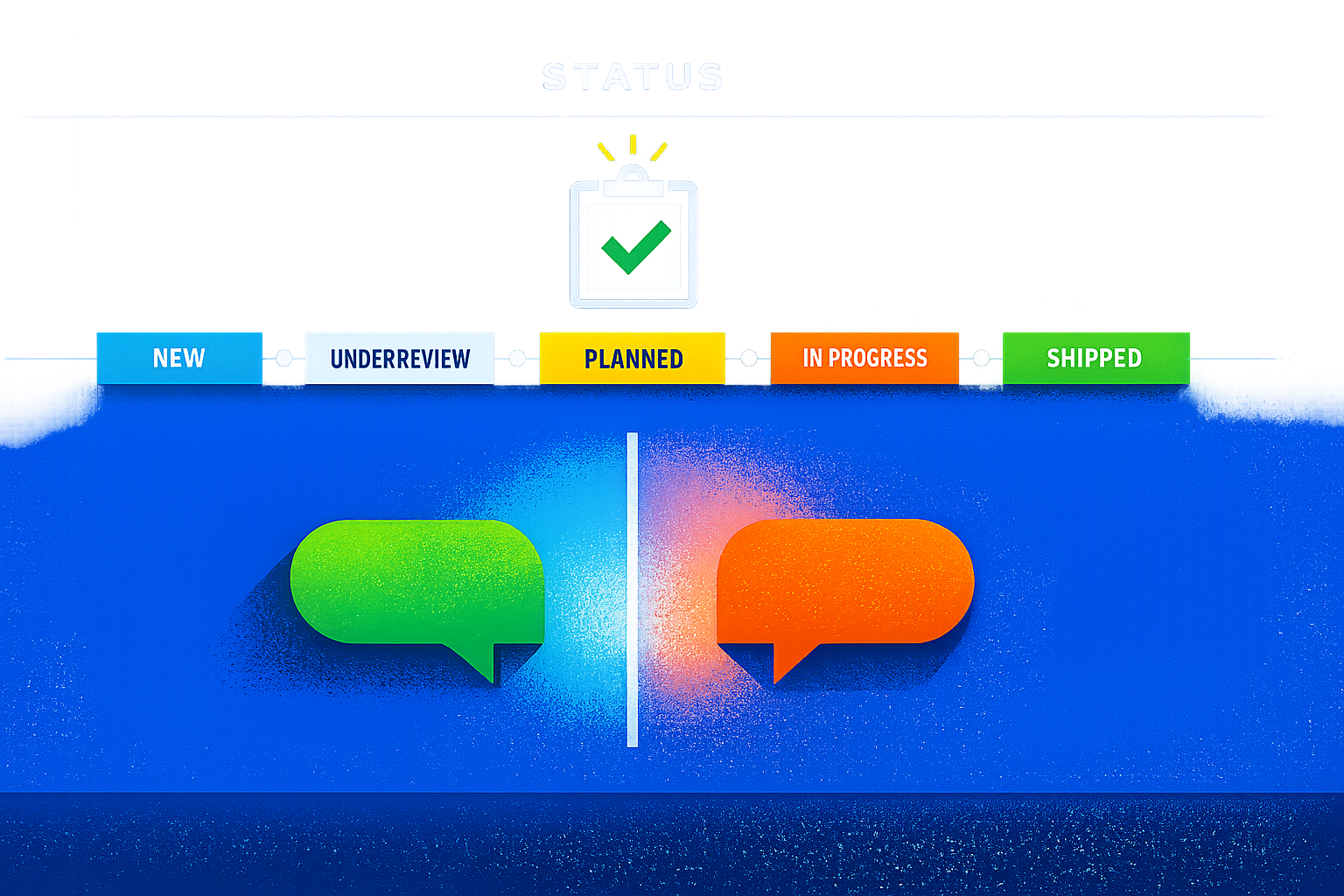
Release notes should not just say what shipped. They should say who it’s for and what changed in their workflow. If you keep users informed in a way that maps to their job, they experience coherence rather than fragmentation.
What “good” looks like after reconciliation
You’ve avoided building two products when:
- There’s one canonical workflow and one underlying model.
- Operators can complete the main job with minimal configuration.
- Admins can handle exceptions without rewriting the default experience.
- Advanced functionality is additive, not required to get value.
- Feedback trends can be viewed by segment, so future conflicts are easier to resolve.
The feedback fork doesn’t go away forever. But if you design around layers—defaults, entry points, and extension points—you can keep shipping to multiple personas while still building one product that feels intentional.
Vertical Video